POWER + HEAT
Energy Spine
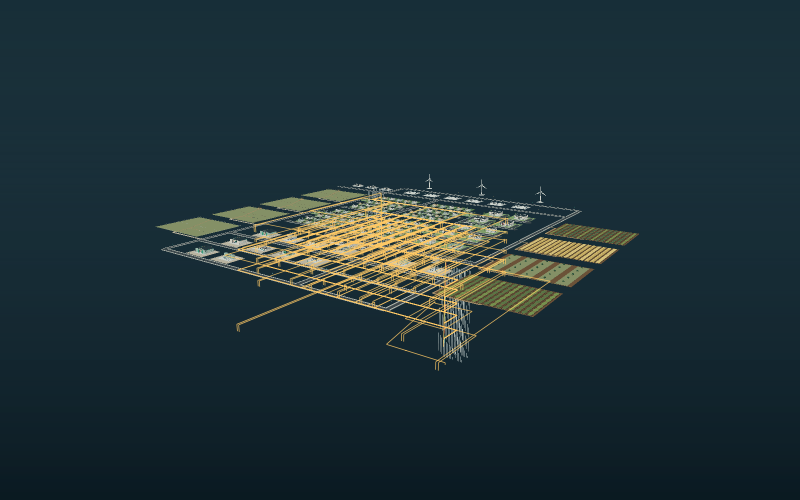
Shared energy architecture connects generation, storage, protected loads and thermal recovery across surface and SUBTERRA.
Concept architecture · simulation-visibleThe 3D world is used to show how energy, water, air, heat, data, food, waste, access and logistics depend on one another. The public layer communicates that systems story at a high level.
All public system cards show their normal concept-simulation role.
Shared energy architecture connects generation, storage, protected loads and thermal recovery across surface and SUBTERRA.
Concept architecture · simulation-visible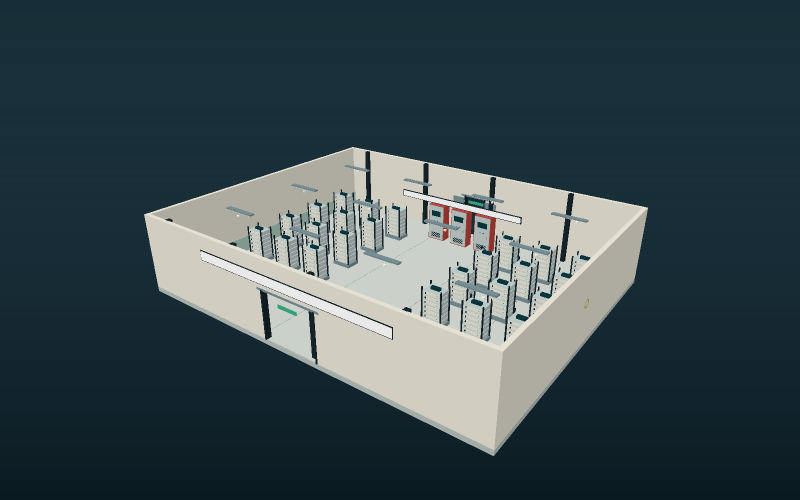
Sectional islanding, protected priorities and black-start logic can be rehearsed in the deterministic simulation.
Concept architecture · professional engineering required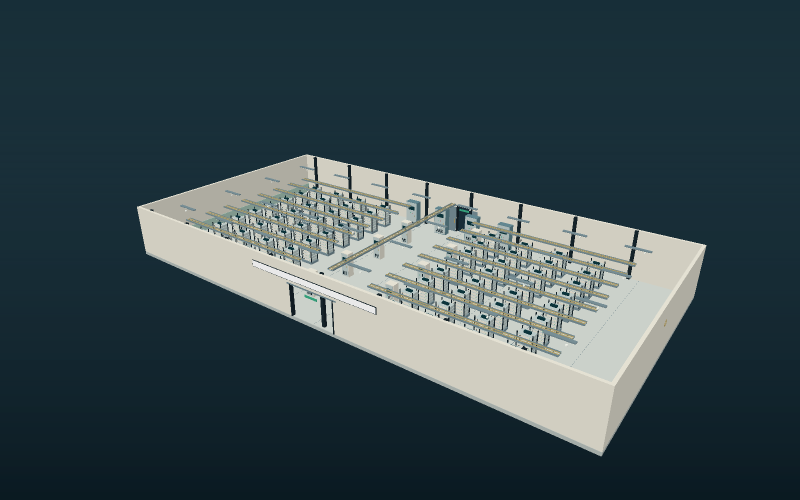
Distributed banks, critical reserve and separate black-start support are represented as resilience concepts rather than claimed installed plant.
Concept design · not physically implemented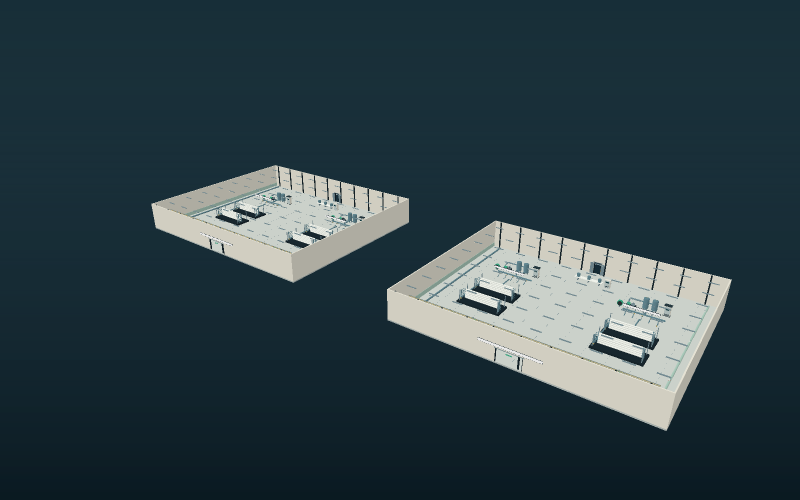
Redundant pumping, separated water uses, treatment, reuse, isolation and emergency reserve are part of the systems model.
Concept architecture · site and engineering validation required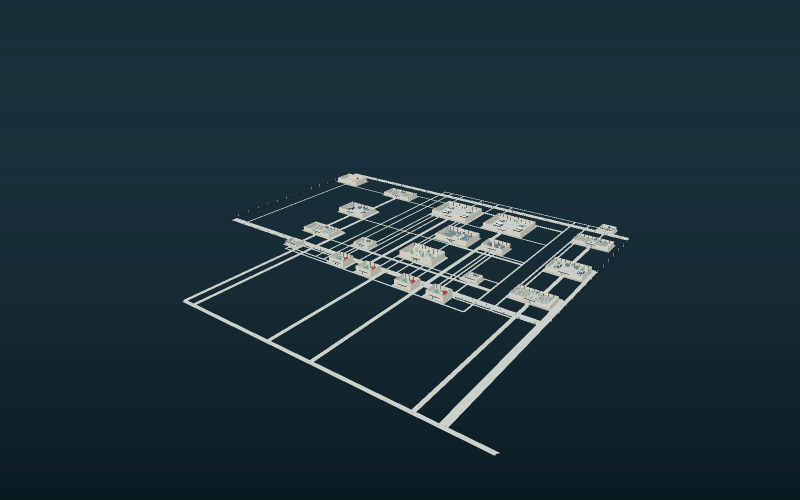
Separate environmental zones, ventilation paths, recoverable heat and equipment-state cues are made inspectable.
Simulation representation · not final HVAC engineering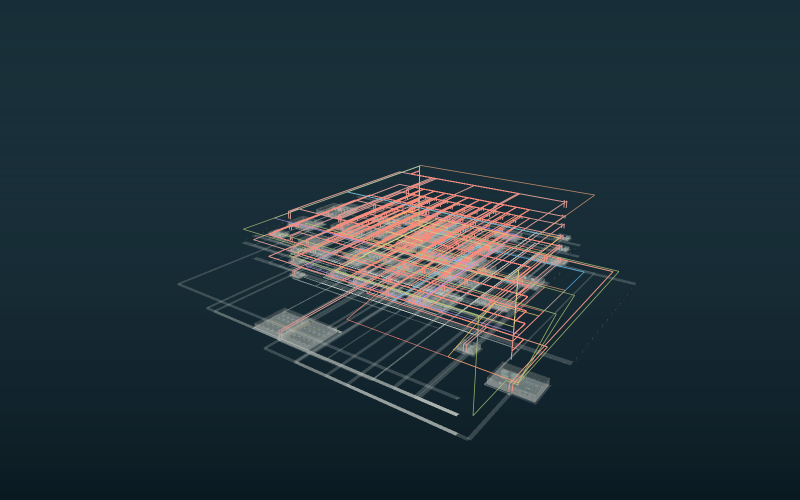
Waste heat, water, organics and recoverable resources are shown as connected opportunities rather than isolated systems.
Concept integration map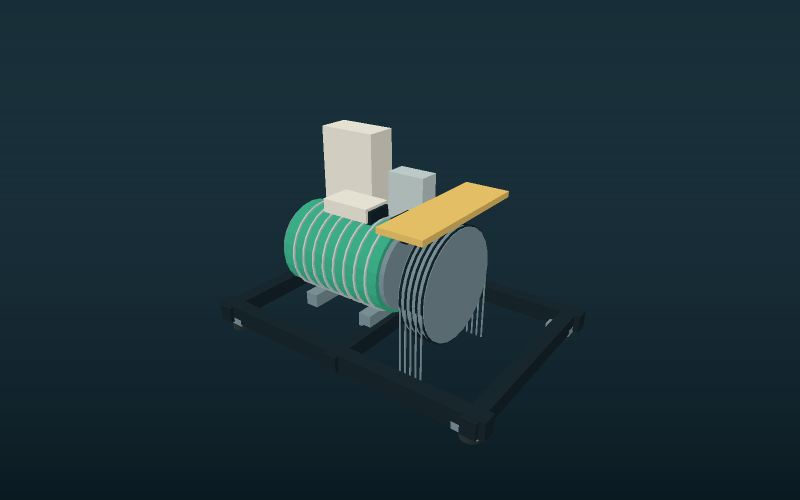
Lifts, stairs, separated access cores and equipment routes connect the six underground levels while preserving distinct people and service flows.
Concept architecture · life-safety engineering still required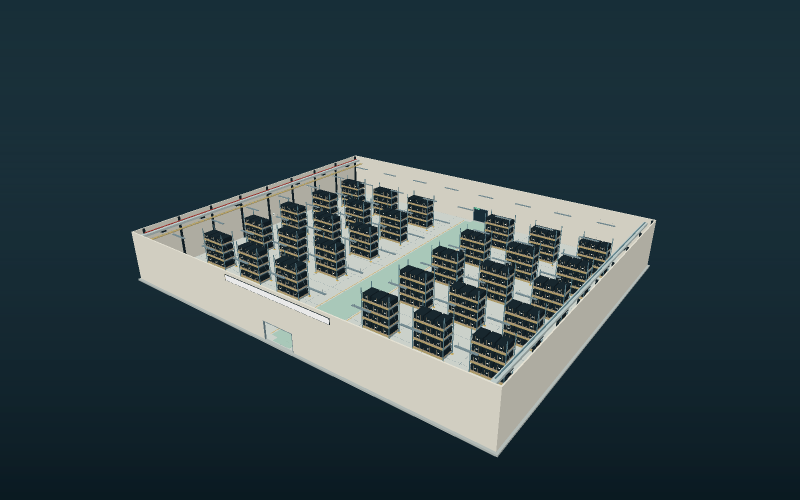
Major systems are paired with replacement access, service routes, inspection concepts and strategic spares rather than treated as sealed black boxes.
Maintainability concept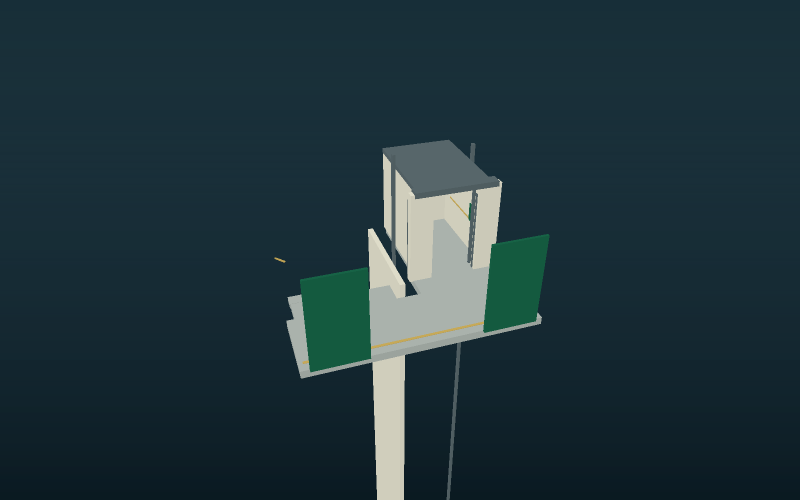
Accessible routes, local/manual fallback and human authority are treated as part of the system architecture, not an afterthought.
Human-centred design principlePHOENIX can visually represent authored flows for power, water, air, heat, data and waste, together with deterministic fault, redundancy and recovery demonstrations. A simulated fault can slow one path while another remains available, making dependency and resilience visible.